Plant Details
- Common Name: Alpine Strawberry
- Botanical Name: Fragaria vesca
- Hardiness Zones: 5 – 9
- Height: 4 – 8 inches
- Spread: 8 – 12 inches
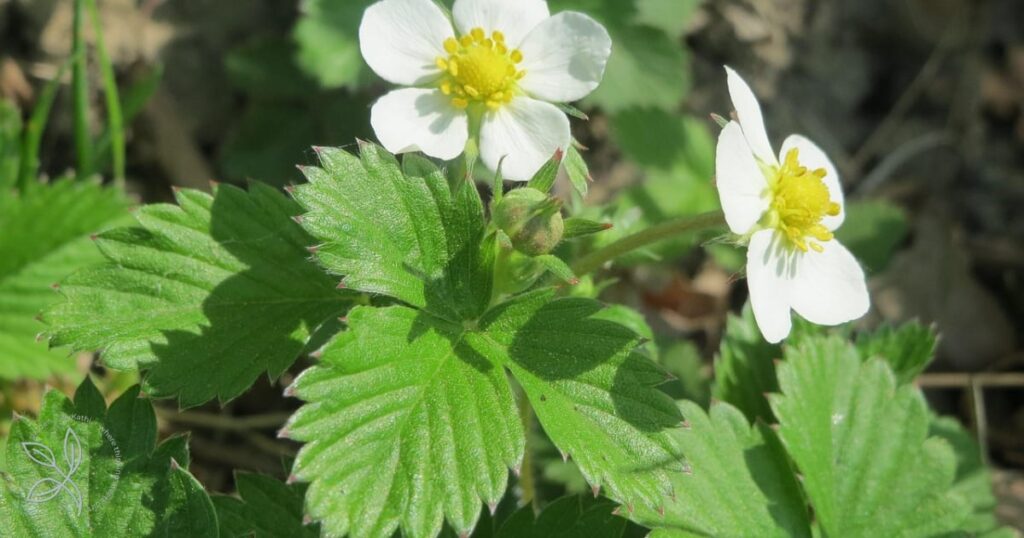
- Foliage: Bright green, serrated, semi-evergreen; perennial
- Bloom: Small white flowers from late spring through fall
- Growth Rate: Moderate
- Light Requirements: Partial sun to full sun
- Soil Requirements: Moist, well-drained; tolerates average soil
- Water Requirements: Moderate; prefers consistent moisture
- Notable Notes: Edible fruit, pollinator-friendly, gentle self-seeder, soil stabilizer, useful as ornamental groundcover or living mulch.
Opening Observation
When I started researching cover crops and natural ways to reclaim the back beds, Alpine Strawberry kept appearing on every list. It was usually framed as a charming option, a ground-hugging perennial that covers soil quickly, suppresses weeds, and offers the unexpected delight of tiny, edible fruit.
It caught my attention, if only because I know what strawberries can do once they settle in. I already have a wild strawberry problem in parts of my yard, and they are relentless, sending runners in every direction and claiming any open patch of soil as their own. They are lovely in a woodland edge or a tucked-away slope, but I was not looking to invite more of them into my space. Still, Alpine Strawberry deserves mention because for the right gardener, it might be exactly the kind of helper plant that fits both function and form.
What It Is
Alpine Strawberry is a compact, everbearing perennial native to Europe and widely naturalized in North America. Unlike commercial strawberries, it does not send out aggressive runners; instead, it grows in small, neat clumps that spread slowly by seed or short stolons. The plant produces bright green, serrated leaves and small white flowers from spring through fall, followed by delicate red fruits with an intense, almost floral flavor. It is often used in ornamental and edible landscapes because it looks refined, tidy mounds of foliage punctuated by small blooms, and it is remarkably adaptable to partial shade and average soils.
What It Does
Alpine Strawberry fills soil gaps with a soft, living cover. Its foliage shades the ground and suppresses weeds, while shallow roots help stabilize loose or eroding soil. It can function as living mulch, a low groundcover, or an edible accent in pollinator beds. For gardeners who want to merge purpose and pleasure, it is a natural choice.
For my yard, strawberries are a cautionary tale. I have learned how easily they claim space and how quickly a single patch becomes a colony. While Alpine Strawberry is better behaved than its wild relatives, I already have more strawberries than I need, so I have chosen to admire this one from afar.
What I Have Learned
Not all strawberries behave the same. The wild variety that volunteered in my yard sends runners into every open space, while Alpine Strawberry stays tidier and slower to spread. It might have been a good choice if I were not already dealing with its more ambitious cousin. For gardeners without that existing problem, it can add an edible layer and steady soil coverage without overwhelming the bed.
Maintenance Rhythm
Alpine Strawberry asks for little once established: occasional watering during dry spells, light fertilizing in spring, and dividing clumps every few years to maintain vigor. It self-seeds modestly, enough to renew itself but not enough to take over. Fruiting runs from late spring into early fall, and many gardeners simply leave the berries for wildlife to enjoy.
Verdict
Alpine Strawberry is not for me, but I understand its charm. For gardeners looking to blend form and function, it is an ideal choice, a plant that works as hard as it looks good, with the quiet bonus of fruit.