Plant Details
- Common Name: Wine & Roses Weigela
- Botanical Name: Weigela florida ‘Alexandra’ (marketed as ‘Wine & Roses’)
- Hardiness Zones: 4-8
- Height: 4–5 feet
- Spread: 4–5 feet
- Foliage: Deciduous; deep burgundy-purple leaves; turns darker in summer
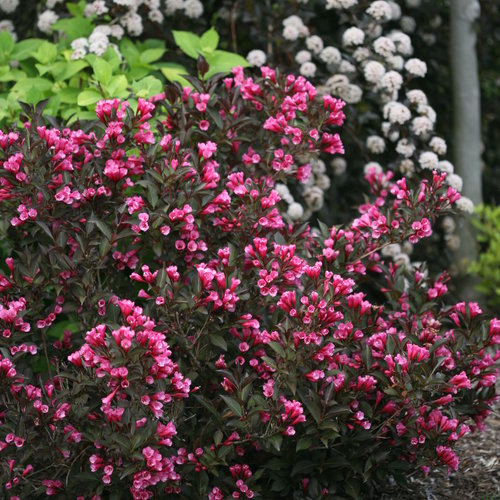
- Bloom: Late spring to early summer; bright pink-magenta tubular flowers
- Growth Rate: Moderate
- Light Requirements: Full sun to partial shade; best foliage color with at least 6 hours of sun
- Soil Requirements: Well-drained, moderately fertile soil; tolerates clay with amendment
- Water Requirements: Average moisture; water regularly during establishment
- Notable Notes: Attractive to hummingbirds and pollinators; deer-resistant; responds well to pruning after bloom; excellent foliage contrast in mixed borders
Opening Observation
I am still deciding how I feel about Wine & Roses Weigela. I like the idea of it more than the current reality. The deep purple foliage is striking, and I love the way it plays off the purple tones of the bigleaf hydrangea nearby. On paper, it is exactly the contrast I wanted in the chimney garden, saturated leaves, vivid spring blooms, and an easy presence through summer. In practice, it has not quite found its shape yet.
I brought it home in spring, one of those nursery temptations that seemed to appear everywhere this year. When several nurseries carry the same plant in quantity, it usually means it performs well in the area. I was looking for something else that day, though I could not tell you now what that was, but the color stopped me. I had seen enough of them grouped together to know I liked the look, even if I did not yet know how it would behave in my own garden.
What It Is
Weigela florida ‘Wine & Roses’ is a deciduous shrub bred for foliage color as much as flowers. The leaves emerge deep burgundy and hold their tone through summer, especially in full sun. In late spring to early summer, it produces tubular pink-magenta flowers that stand out against the dark leaves. Mature size ranges from four to five feet tall and wide, though it can be pruned to maintain a smaller form. It prefers full to partial sun and well-drained soil, growing best where it receives at least four to six hours of direct light.
Weigela is adaptable, tolerant of a range of soils, and generally low maintenance. It responds well to pruning right after bloom, setting new buds for the following year on fresh wood. Deer tend to leave it alone, and it attracts hummingbirds and pollinators when in flower.
Where It Lives
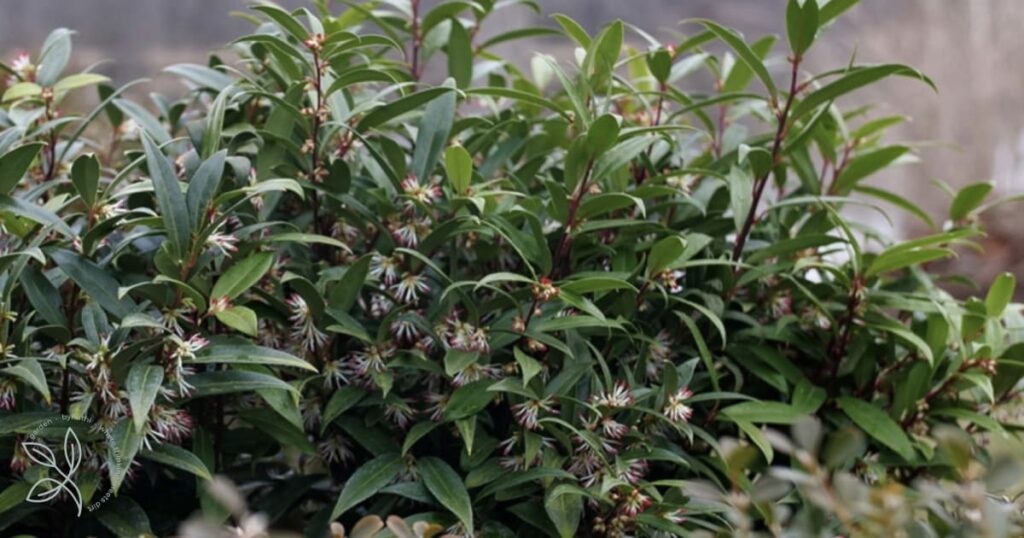
Mine lives in the chimney garden, centered between two Shamrock Inkberries. It receives the same west-facing light as the rest of the bed, bright for a few hours each afternoon, then filtered as the sun slips behind the trees. It is new this season, planted in early spring, and has held its color well through summer. I added a layer of compost at planting, but otherwise the soil there is typical amended builder’s fill.
The foliage color is beautiful in that space, a rich foil against the brick and the glossy evergreens nearby. The problem is form. It has grown a bit leggy, open in the center, not yet the dense mound I had pictured. I am told to wait until after it blooms next spring before cutting it back, so I am doing what I can to be patient. I may try shaping it into a short tree form rather than a rounded shrub, though that will depend on how it behaves next year.
What I’ve Learned
Weigela is a plant that rewards patience but needs direction. Left entirely alone, it can sprawl; trimmed too often, it may skip a bloom season. I am learning to wait for the right timing. The structure of the plant is still settling, and perhaps I am expecting too much too soon. It is, after all, still in its first year.
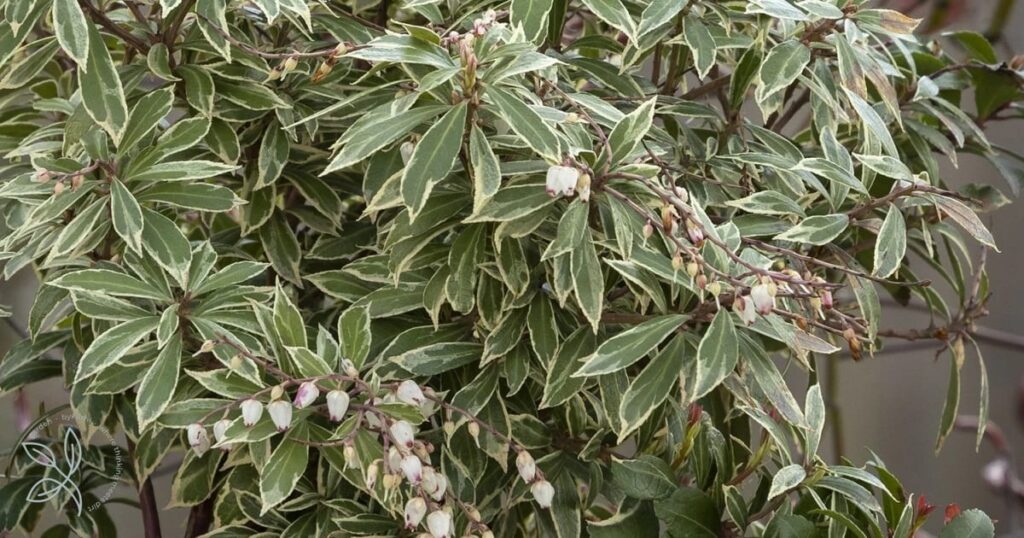
Its color earns its place. Even when I question whether it belongs in that exact spot, I cannot deny the visual lift it gives to the bed. Against the green-black leaves of the inkberry and the creamy tones of the Pieris, the Weigela adds an intentional contrast that keeps the eye moving. Whether it stays there long-term or moves to another corner of the yard, it has already done its job in helping me see the garden differently.
Companionship Notes
In the chimney garden, Wine & Roses sits between the two Shamrock Inkberries, with bigleaf hydrangeas extending along the front. The mix is moody but balanced: purple leaves, green foundation, and bursts of soft color through late spring. The hydrangea and Weigela share similar bloom timing, creating a short window of layered color that feels almost theatrical.
Still, I am not sure this plant wants to live here forever. It might belong in a space with more sun and room to breathe, perhaps the back corner of the yard where it can open up naturally. For now, it holds the center, a placeholder that keeps the garden’s rhythm intact while I wait to see what it wants to become.
Maintenance Rhythm
I water deeply once a week during dry spells and keep the base lightly mulched to hold moisture. The plant prefers good drainage and steady light; otherwise, it asks for very little. I will wait until after next year’s bloom to prune, removing any dead or crossing branches and cutting back lightly to shape. If I decide to train it into a small tree form, I will start then.
The best maintenance lesson so far has been restraint. Sometimes the work is just watching.
The Verdict (So Far)
I like this plant. I am not sure I love where I placed it. It has presence, and I see why so many nurseries carry it; it is easy, colorful, and durable. But in this spot, I am still deciding whether it belongs. I may move it next year if my asparagus bed leaves an opening.
For now, Wine & Roses earns its keep by doing what I hoped: providing color and contrast through the growing season. It reminds me that not every choice has to be permanent to be worthwhile. Some plants help you learn your garden simply by asking you to keep looking closer. You can find Wine & Roses Weigela at Nature Hills.
Notes from the Field
- Spring 2025: Purchased and planted in early spring; foliage color excellent, structure still forming.
- Summer 2025: Good leaf color through heat; growth somewhat leggy; observing light and shape before pruning.
- Autumn 2025: Healthy overall; plan to evaluate bloom performance next spring before deciding on long-term placement.
Affiliate Disclosure: Some of the links in my posts are affiliate links. That means if you choose to click or buy, I may earn a small commission at no extra cost to you. These links help support the ongoing work of growing, testing, and sharing that I do in this space.