Study Details
- Topic: Tools I Use or Want to Use in my Garden
- Source Material: Lived Experience
The Small Things That Keep the Garden Running
Gardens may be shaped by the big decisions, but the daily work depends on the small, ordinary tools that rarely get credit for how much they actually do. They are the things I reach for without thinking, the ones that end up in pockets, on windowsills, or under a shrub where I set them down “for just a second.” They get borrowed, misplaced, soaked by surprise rainstorms, and sometimes lost entirely because they blend into the ground too well. None of them are glamorous, but they keep the garden running, season after season.
When people talk about essential garden tools, they often mean shovels, rakes, and wheelbarrows. Those matter, of course, but what I have learned over time is that the quiet helpers make just as much difference. The gloves that actually fit, the snips that really cut, the labels that mostly stay put, and the little devices that keep me from wrestling my hose into place all shape the way I move through the garden. They are not dramatic, but they are steady, and that steadiness matters.
The Tools I Reach For Again and Again
Gloves are always the starting point for me, partly because I am constantly losing them, but also because they do such different jobs depending on what I am tackling that day. I keep two kinds now. Leather is the only thing that stands between me and anything with thorns or sharp edges. Roses, bramble, yucca; anything that bites back requires leather. They are not my preference for daily tasks because they are bulky and they never dry quickly once they get wet, but they are non-negotiable for the rough work. This year I found a pair that has a breathable fabric back with enough bend at the knuckles to feel usable, plus a touchscreen thumb and forefinger for those inevitable moments when I need to check my phone in the middle of a task. I am curious to see how they hold up: Leather gloves and, if you prefer extra coverage, a gauntlet option.
For everything else, I use lightweight utility gloves with a rubber or nitrile coated palm and a fabric back. These are the ones I lose or lend out without even realizing it, the ones that wander into the garage or turn up behind a pot after I have given up looking. A good pair grips stubborn weeds, tomato stakes, and wet tools without slipping. A bad pair lets splinters through and makes me wonder why I bothered. On hot days they trap sweat, so I keep a few pairs in rotation. When I find a good two pack, I buy extras because I know I will go through them: nitrile utility gloves are my current choice.
A couple years ago, Dan surprised me with garden sleeves, and they turned out to be one of the most unexpectedly useful things I now rely on. They sleeve up my arms from wrist to upper arm and protect me from the constellation of tiny scratches I seem to collect every summer. Most versions come in cheerful sunflower or vine patterns, and while that is cute, I do not need to dress like a garden to know I am working in one. These sleeves work because they protect my arms without forcing me into long sleeves on hot days. They shield my skin from the sun and from anything abrasive, and they are easy to forget I am wearing. If UV protection matters, there are options for that too. I like this pair of garden sleeves, and if sun exposure is a concern, these UV sleeves and this UV shirt are worth a look.
Snips and shears are another group of small tools that make a bigger difference than they should. A good pair of snips becomes an extension of your hand, making quick cuts cleanly and without resistance. A poor pair slows everything down. I have trusted Fiskars for years in my sewing room, and their garden tools carry the same reliability. I have had one pair of pruners that derailed itself on me, but I am fairly sure it was not actually theirs. My snips stay sharp and steady, and they live in my pocket most of the season. I also keep a heavier pair of pruners for thicker stems and a set of loppers for branches just out of reach. I am trying a new pair of pruning shears this year because I like the grip, although I am not sure how they will fit with gloves on. Right now I rely on these snips, a pair of steady pruners, a new pruning shear design I am testing, and these loppers that help with branches just out of reach.
Plant labels remain one of my quiet frustrations. I prefer wood or bamboo because they feel natural in the soil and do not leave behind plastic remnants for someone to find years from now. My daughter in law once gave me carved wooden herb markers that I adore, and my mom made ceramic ones that hang from thin metal stakes. They are lovely for plants that truly belong in one place. But most of the time, I still find myself standing in a bed in late spring, looking at those tiny, nondistinct sprouts poking through the soil and trying to remember which choice I scattered in that exact spot. Bamboo labels are my favorite middle ground option, and they hold up surprisingly well: I use bamboo labels for general use and these carved herb labels where I grow the same things every year.
My favorite tool for tying up plants that need support is a small green spool of twist tie material with a built in cutter. It loops easily around tomato cages without cutting into the stems, and it does not sag the way twine sometimes does after a few rainstorms. I use twine in other parts of the yard, mostly for shrubs or gentler structures where I want something biodegradable that will break down eventually. But for tomatoes, tomatillos, or anything that leans heavily on a cage, the twist tie reel wins every time. This twist tie reel has been a workhorse for me, and I still keep a roll of garden twine on hand for other tasks.
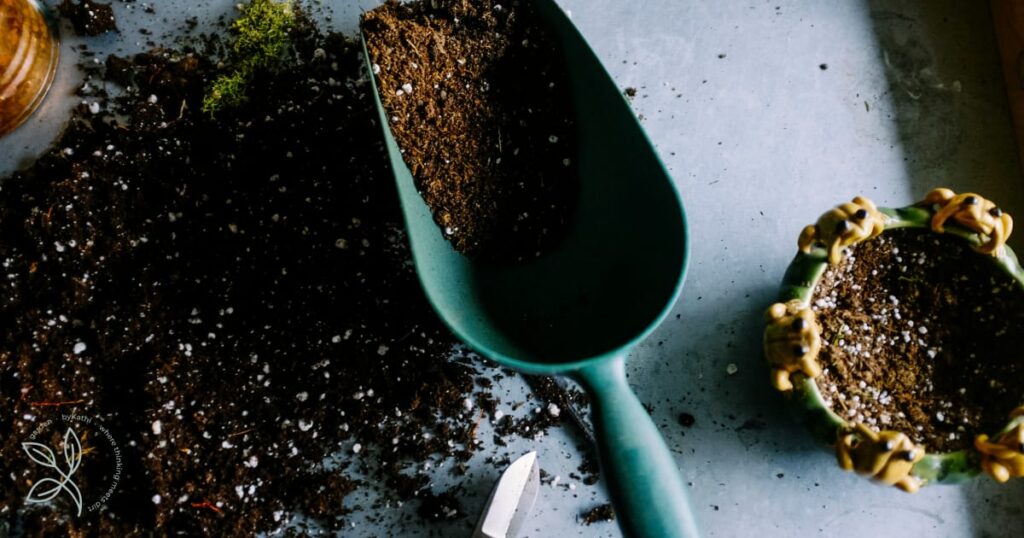
Hand tools are another area where sturdiness matters more than I want to admit. There are a lot of flimsy aluminum trowels and cultivators on the market that bend the moment they meet real soil. I prefer steel, or better yet, a single forged piece that does not flex at all. A good hand trowel feels balanced and capable. A solid cultivator breaks up compacted soil without arguing. And I finally discovered a potting scoop that makes filling containers far less messy than using my hand or whatever tool happened to be nearby. Sometimes I find tools I did not know I needed until I see them, and these three have earned a place in my kit: a potting scoop, a sturdy hand shovel, and a cultivator that does not bend when I put weight on it.
The biggest surprise a couple years ago was how much I came to rely on quick release hose connectors. They attach to everything: the spigot, the hose, the nozzle, the sprinkler, the wand. A simple click and they are connected; another click, and they are not. The water stops automatically until I attach the next thing. This has saved my wrist more times than I can count, especially on days when I have been pulling weeds for hours. Anything that keeps me from wrestling a hose into place earns its spot on this list, and this set of quick connectors has more than proven itself.
What I Am Curious About for Next Season
There is one more category of tool I am hopeful to try next year. I have spent enough time running up and down the stairs from my home office, checking sun patterns with timers and spreadsheets, that a smart soil monitor suddenly feels very reasonable. I have tracked shadows across stubborn beds, told myself I would remember what I saw, and then ended up making another round with a notebook because I did not.
The instant read meters appeal to the part of me that likes quick clarity on moisture or pH. They work a bit like a kitchen thermometer for soil, offering a simple answer when I want to know whether a bed is actually dry or just dry on the surface. This instant read soil meter is on my list for that reason alone. But it is the smart version that tracks sunlight and sends the readings to my phone that I am especially curious about. The Netro Whisperer plant sensor cannot tell me everything, but if it can spare me a few hundred steps and a handful of tracking lists next season, I am more than willing to give it a try and see what I learn.
All of these small tools shape the way I move through the garden. They are rarely exciting, but they make the work easier, more comfortable, and more dependable. In winter, when everything rests, I take stock of what needs replacing and what has earned another season. These tools are the steady background of the garden, the quiet helpers that let the larger work take shape.
Links Mentioned in This Article
- Leather Garden Gloves: A breathable leather option that protects against thorns without feeling too stiff. Visit
- Leather Gauntlet Gloves: Extra-long protection for rose pruning or anything sharp or unforgiving. Visit
- Nitrile Utility Gloves: My everyday grippy gloves for stubborn weeds and general garden work. Visit
- Garden Sleeves: Lightweight arm sleeves that prevent scratches and keep dirt off my skin. Visit
- UV-Protection Sleeves: A sun-safe option for days when I’m outside far longer than planned. Visit
- UV-Protection Long Sleeve Shirt: A moisture-wicking layer that protects my arms and chest without overheating. Visit
- Precision Snips: Reliable, sharp snips that live in my pocket most of the growing season. Visit
- New-Grip Pruning Shears: A pruner with an interesting grip design I’m testing for glove comfort. Visit
- Reliable Pruning Shears: A classic, steady pair for routine trimming jobs. Visit
- Loppers: Long-handled cutters that make upper-reach branches manageable. Visit
- Bamboo Plant Labels: A biodegradable option that blends naturally into the garden. Visit
- Carved Herb Labels: Durable wood markers for herbs or anything that stays in one place. Visit
- Twist-Tie Reel: My go-to solution for securing tomatoes and tomatillos to their cages. Visit
- Garden Twine: A biodegradable tying option that works well for shrubs and gentler supports. Visit
- Potting Scoop: A deep scoop that makes filling containers far cleaner than using a trowel. Visit
- Hand Shovel: A sturdy steel trowel for everyday digging and transplanting. Visit
- Cultivator Tool: A rigid, non-bending three-tine tool for compacted soil. Visit
- Quick-Release Hose Connectors: Time-saving connectors that eliminate wrist-twisting on the spigot. Visit
- Instant-Read Soil Meter: A simple moisture and pH probe for quick clarity. Visit
- Netro Whisperer Smart Sensor: A sunlight/moisture monitor I’m hopeful to test next year. Visit
Affiliate Disclosure: Some of the links in my posts are affiliate links.
That means if you choose to click or buy, I may earn a small commission at no extra cost to you.
These links help support the ongoing work of growing, testing, and sharing that I do in this space.