Plant Details
- Common Name: Bigleaf Hydrangea (Deep Purple)
- Botanical Name: Hydrangea macrophylla (Deep Purple cultivar)
- Hardiness Zones: 5-9
- Height: 3–5 feet
- Spread: 3–5 feet
- Foliage: Deciduous; large, dark green leaves; coarse texture
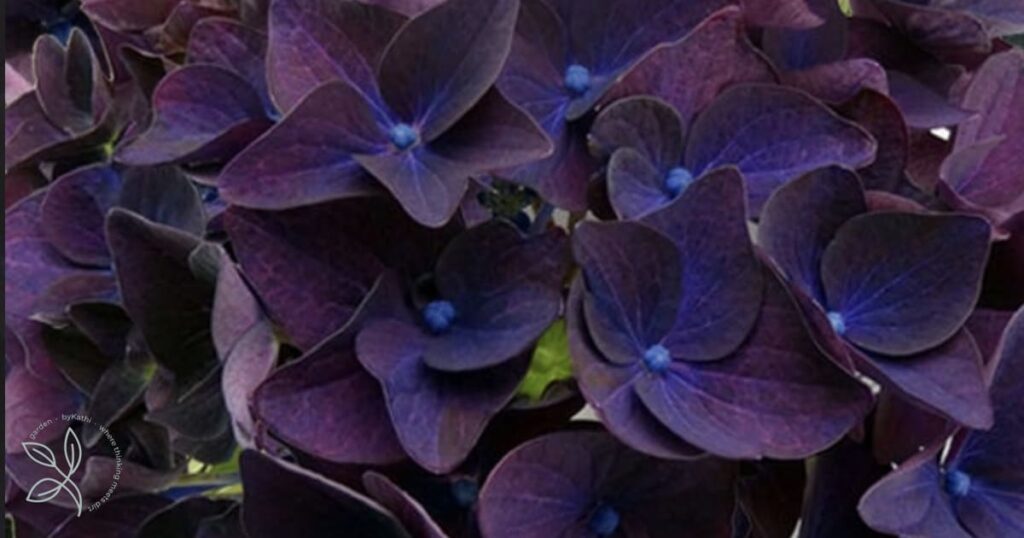
- Bloom: Summer; large mophead clusters, deep purple to violet depending on soil pH
- Growth Rate: Moderate
- Light Requirements: Morning sun with afternoon shade; tolerates dappled light
- Soil Requirements: Rich, moist, well-drained; slightly acidic preferred
- Water Requirements: Regular, consistent moisture; wilts quickly in heat but recovers well
- Notable Notes: Color intensity depends on soil pH; blooms on old wood; deadheading improves appearance; a classic structural and emotional anchor in mixed borders
Opening Observation
Hydrangeas are the comfort books of the garden. Everyone knows them, and yet each type tells a different story: bold mopheads, delicate lacecaps, stately panicles, dramatic oakleafs. They can be showy or subtle, but always familiar. Hydrangea macrophylla, the bigleaf hydrangea, has always been my favorite. It is generous and moody, sometimes both in the same week.
These particular plants are the Deep Purple variety, grocery-store finds that I could not resist. I bought two in 2024, then went back for a third the next spring. The color is extraordinary, a deep midnight purple that borders on blue in cooler light. They were an impulse purchase that became a permanent fixture, even if it took them a while to find their place.
What It Is
Bigleaf hydrangeas (Hydrangea macrophylla) are deciduous shrubs known for their large, round flower clusters and bold foliage. They bloom on old wood or a mix of old and new wood, depending on the cultivar, and the flower color shifts with soil pH: pink in alkaline conditions, blue or violet in acidic soil. The Deep Purple cultivars hold their saturation well in neutral soils, making them a good choice for gardeners who prefer dramatic, consistent color.
Most hydrangeas change color with soil pH, turning blue in acidic conditions and pink in alkaline. Many of the newer varieties, though, have been bred to hold their color more consistently. The Deep Purple variety seems to fall in that group. Even as the soil shifts slightly with compost or mulch, the blooms keep their saturated tone rather than washing out toward lavender or rose. I find that reassuring, proof that selective breeding can preserve consistency without taking away the quiet magic of the plant’s chemistry.
They thrive in partial sun, enough light to encourage blooms but protected from intense afternoon heat. Regular moisture is essential, especially in warmer climates or reflective spaces near brick or pavement. Pruning timing matters; cut too late, and you may lose the next season’s blooms.
Where It Lives
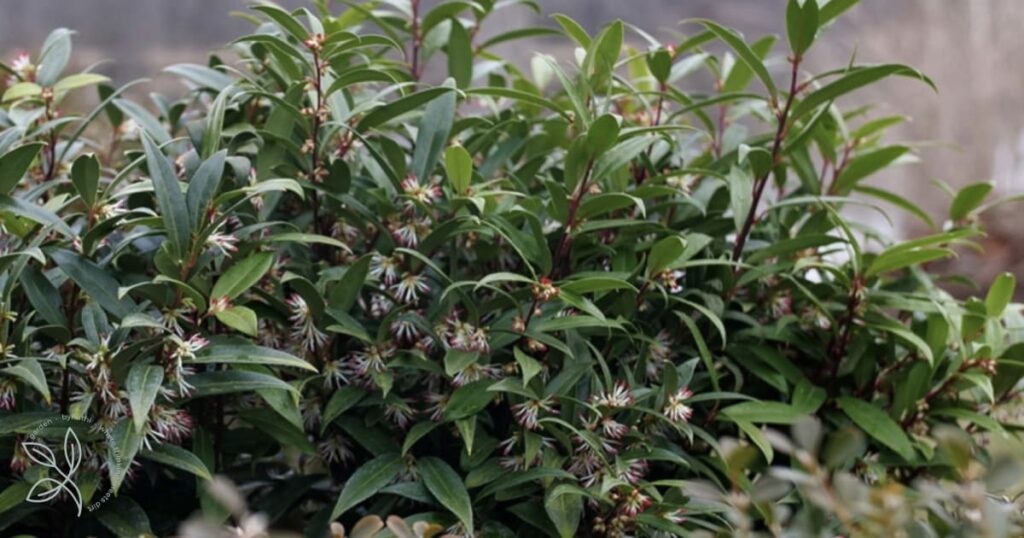
My three Deep Purple hydrangeas now sit at the front of the chimney garden, forming a loose triangle that softens the edge of the bed. They create the visual arch in front of the Shamrock Inkberries and Wine & Roses Weigela, grounding the garden in a wash of color when they are in bloom.
They did not start there. The first two were originally planted on either side of the garage, a location that looked good on paper but proved far too hot. Between the sun reflecting off the house and the lack of consistent moisture, they struggled all summer. When I realized I wanted evergreens in that space for winter visibility, I moved the hydrangeas to the chimney garden instead. The timing worked out; the soil there had already been amended with compost, and the light is more forgiving.
What I’ve Learned
Hydrangeas are adaptable, but they do not like being rushed. When I transplanted the first two in the fall of 2024, I expected the usual comeback, leafy stems in spring, buds by midsummer. Instead, they sulked. They leafed out but refused to bloom, a quiet protest that reminded me how long it can take roots to reestablish. The third plant, added in April 2025, held its flowers and sent out fresh growth right away, proof that the spot was right but the timing mattered.
They are temperamental, yes, but also forgiving. I have learned to let them take a season to adjust. I cut them back lightly in spring, leaving the spent heads for winter interest, and water regularly through summer. They prefer a rhythm over perfection.
Companionship Notes
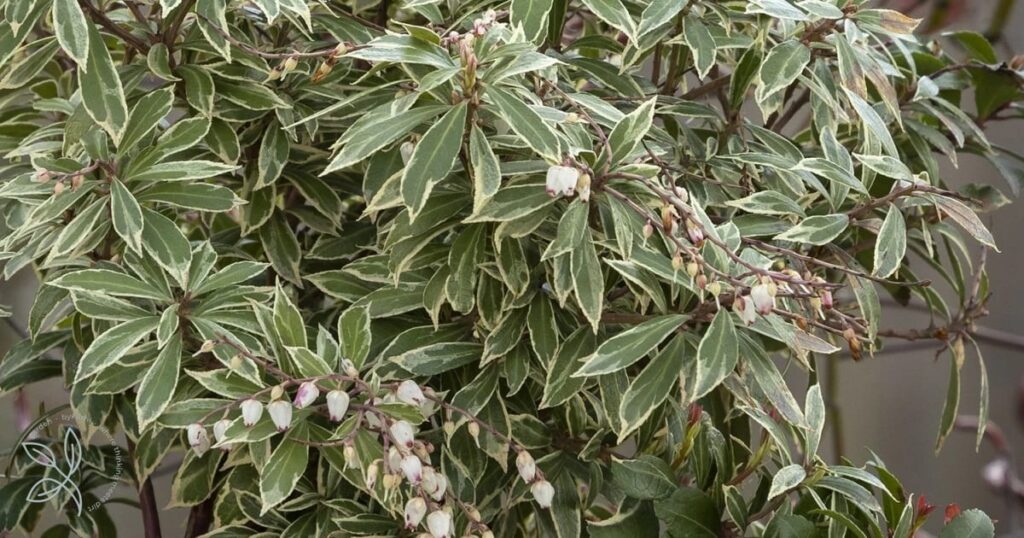
In the chimney garden, the bigleaf hydrangeas act as a bridge between the evergreens and the seasonal bloomers. Their broad, glossy leaves complement the fine texture of Pieris and Sweetbox, while the purple blooms echo the tones of Wine & Roses Weigela. They carry the eye forward, creating fullness at the base of the bed without feeling heavy.
The hydrangeas mark the front edge of the space, a living border that ties the composition together. In bloom, they pull the whole bed into focus; out of bloom, their structure still feels substantial enough to hold its own.
Maintenance Rhythm
Hydrangeas like balance: partial light, steady moisture, and soil that never quite dries out. I water them deeply every few days in dry spells and top-dress with compost each spring. I leave the stems intact over winter for protection and prune in early spring once new growth starts to appear. If I ever doubt whether to cut, I do not; they tend to forgive neglect faster than interference.
They respond best when the soil leans slightly acidic, so I mix in spent coffee grounds or pine mulch now and then to maintain color depth. I have stopped chasing the perfect bloom cycle and started paying more attention to what the plant is telling me.
The Verdict (So Far)
Hydrangeas have always been a requirement for me, a non-negotiable presence in every garden I have ever made. They are part of my rhythm now, as necessary as compost or patience. These Deep Purple plants are still settling in, but I am so hopeful they will hold that saturated midnight color that made me stop in the grocery aisle and take them home in the first place.
Even when they sulk or stay green longer than expected, I find myself checking daily for signs of change, buds forming, leaves darkening, soil just moist enough. I do not know this variety well yet, but I can already tell I will keep making space for it. Every yard deserves at least one hydrangea, a plant that reminds you how much beauty depends on time and trust. If you want to explore bigleaf hydrangeas, The Original Endless Summer Hydrangea at Plants by Mail is a reliable reblooming option worth considering.
Notes from the Field
- April 2024: Purchased two and planted near the garage; struggled in heat and reflected sun.
- Fall 2024: Moved both to the chimney garden; purchased a third for balance.
- May 2025: Two older plants leafed out but did not bloom; new one bloomed and thrived in amended soil. Expecting fuller performance next season.
Affiliate Disclosure: Some of the links in my posts are affiliate links.
That means if you choose to click or buy, I may earn a small commission at no extra cost to you.
These links help support the ongoing work of growing, testing, and sharing that I do in this space.