Plant Details
- Common Name: Little Heath Pieris; lily-of-the-valley shrub
- Botanical Name: Pieris japonica ‘Little Heath’
- Hardiness Zones: 6-8
- Height: 24–36 inches
- Spread: 24–36 inches
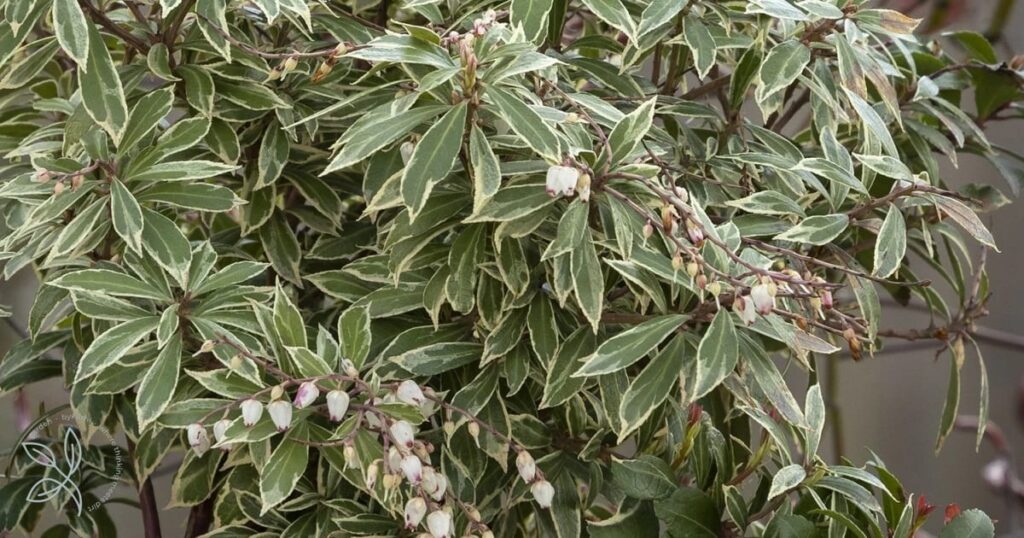
- Foliage: Evergreen; small leaves variegated green with creamy-white margins; new growth emerges pink to bronze before maturing to green
- Bloom: Early to mid-spring; dangling clusters of small, white, urn-shaped bells; lightly fragrant
- Growth Rate: Slow
- Light Requirements: Partial shade to filtered sun; morning sun with afternoon shade preferred
- Soil Requirements: Moist, acidic, well-drained soil; benefits from compost-amended loam
- Water Requirements: Even moisture; water deeply but infrequently; avoid waterlogged conditions and prolonged drought, especially during establishment
- Notable Notes: Compact, tidy habit suited to small foundation beds; variegation provides four-season brightness; deer-resistant and early pollinator friendly
Opening Observation
When I first started planning the chimney garden, I was looking for traditional evergreens, something structured and familiar, like a holly or a compact pine. It never occurred to me that an evergreen could also flower. Technically, boxwood and holly do, but I have never thought of them that way; their blooms are so understated they barely register.
When I described the space to my AI, rough soil, partial shade, Zone 6a, it suggested Pieris japonica ‘Little Heath’ among its recommendations. I had heard of Pieris before, but only in passing, and I could not have picked it out in a landscape. I have probably seen it without realizing what it was. I opened the results expecting another glossy shrub I would scroll past, but found something quietly unexpected: evergreen and compact, with small leaves edged in cream and clusters of white spring bells. I did not know an evergreen could look like that. It felt like discovering a new category I had not known to look for.
What It Is
Pieris japonica ‘Little Heath’ is a compact evergreen shrub, a slow-growing cousin in the family often called Lily of the Valley shrub. Its leaves are small and tidy, edged in creamy white that blushes pink in new growth before deepening into green. In spring, it strings delicate clusters of white bells that hover above the foliage like quiet punctuation. Mature size sits around two to three feet tall and wide, perfectly scaled for small spaces or layered borders. It prefers dappled or partial shade, consistent moisture, and acidic, well-drained soil. In Zone 6a, it is comfortably hardy, provided the winter winds do not bite too hard.
Where It Lives
I ordered two from Wilson Brothers Gardens in May, both small but vigorous. They are planted in the chimney garden, the stretch just behind the house where the light shifts gently through the afternoon. The soil began as lean builder’s fill, dry, gravelly, and resistant, but after a few years of compost and leaf mold, it is starting to behave like real ground. The Pieris sit centered between the two Sweetbox, directly in front of the windows, where I can see them from the kitchen and patio alike. Their variegation brightens the base of the house, softening the brick line without overwhelming it.
What I’ve Learned
‘Little Heath’ asks for patience more than effort. Its growth is measured, deliberate, and that is part of its charm. The variegation stays crisp even through heat, and the new flush of bronze pink in early spring gives the whole space a feeling of quiet renewal. It tolerates the late-day light better than I expected, though I have learned to water more deeply in July when the gravel still reminds me who is boss. Unlike fussier Pieris cultivars, this one seems content to mind its own rhythm, rewarding care with consistency rather than drama.
Companionship Notes
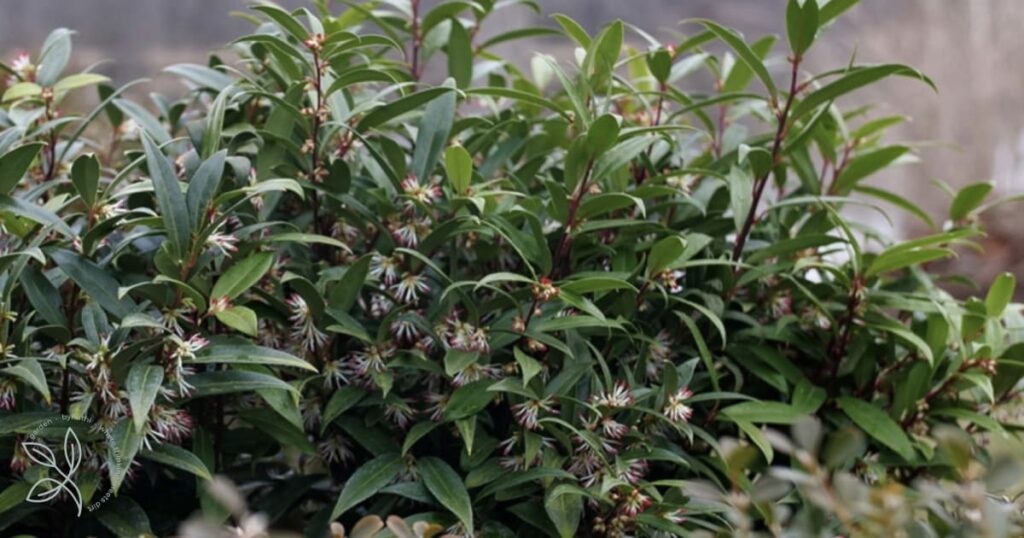
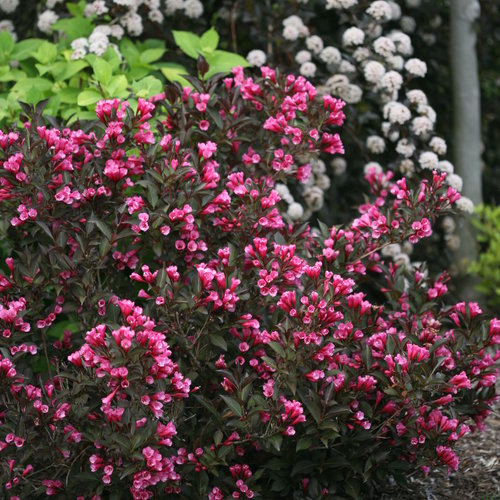
The chimney garden faces west, catching the warm light that sweeps in late each afternoon. Its structure reads like a small stage: Inkberry, Weigela, and Hydrangea hold the center, where the color and movement draw your eye first. Along both sides, the Sweetbox and Pieris japonica ‘Little Heath’ form the quiet wings, anchoring the composition without competing for attention. Even though they sit in the wings, they create their own presence; the drama of the Pieris variegation against the deep green of the Sweetbox adds contrast and texture that feels deliberate rather than decorative. I am eager to see how that relationship deepens as they both grow into their spaces.
Maintenance Rhythm
I have not needed to prune much yet, only a few uneven tips after flowering. Each spring I mulch with shredded leaves and a bit of compost to keep the soil loose and slightly acidic. When summer edges dry, I water thoroughly but infrequently, deep drinks rather than constant sips. The rest of the time, I mostly leave them alone. That, I have found, is the rhythm this plant appreciates: attention without interference.
The Verdict (So Far)
They are thriving quietly, exactly as I hoped. Each season reveals a little more density, a little more confidence in their footing. I am genuinely excited for their first true bloom season next spring, the tiny white bells I have only seen in photos, finally here in real light. For now, these Pieris already feel like proof that curiosity, when structured with care, can lead you exactly where you belong. You can find Pieris japonica at Nature Hills.
Notes from the Field
- May 2025: Planted two 1-gallon shrubs; both established quickly and showed steady new growth.
- Summer 2025: Both plants thriving; foliage full and bright with consistent variegation.
- October 2025: One plant showing stress while the other continues strong; adjusting watering pattern and pulling back mulch at the base to improve air circulation before winter.
Affiliate Disclosure: Some of the links in my posts are affiliate links.
That means if you choose to click or buy, I may earn a small commission at no extra cost to you.
These links help support the ongoing work of growing, testing, and sharing that I do in this space.